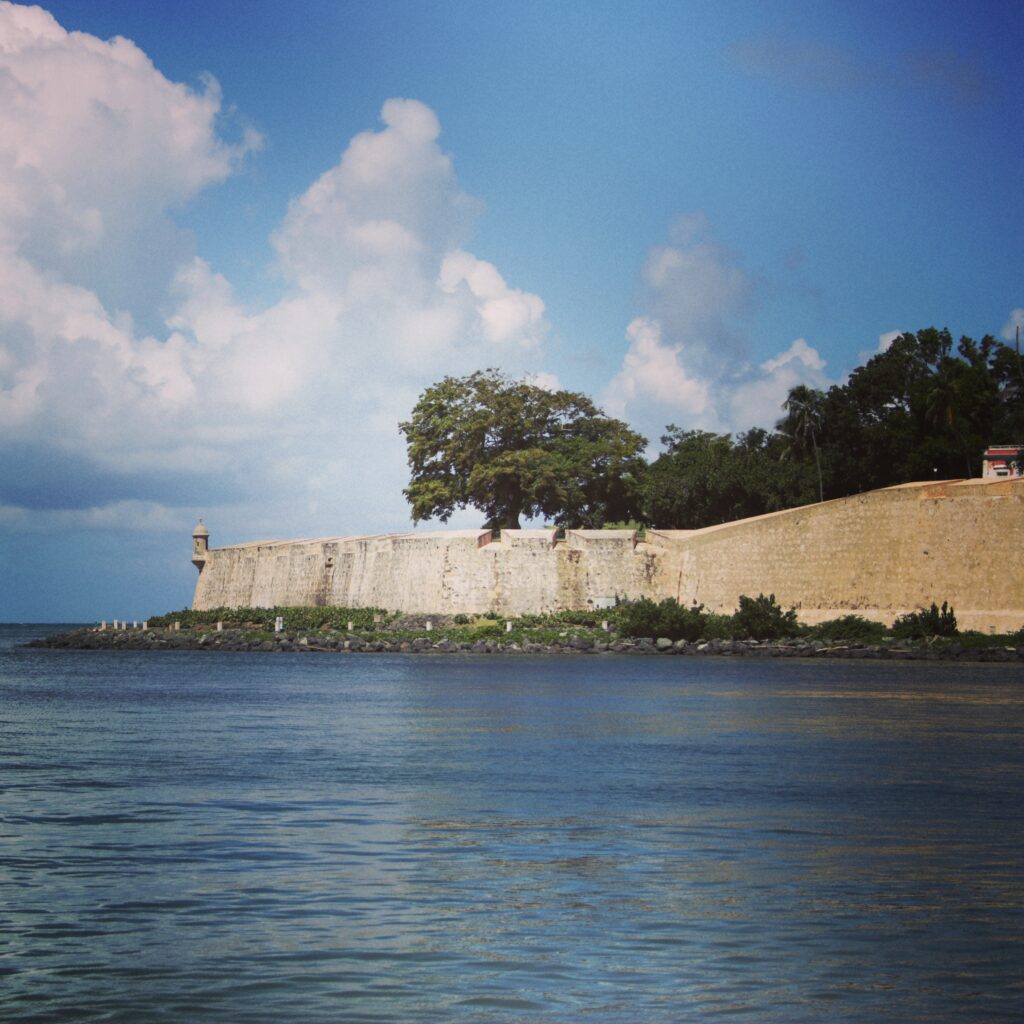
Quick answer: When cruise fares are similar, compare the activities you actually want—not just “Eastern” versus “Western” Caribbean. Add return transport, admission, food and optional extras for every stop. In the illustrative two-adult worksheets below, Eastern Caribbean spending totals $274, versus $283.31 for Western Caribbean spending. That small difference reflects these particular choices, not a regional price ranking.
Research checked November 29, 2026. All worksheet totals are in US dollars for two adults. Published charges and illustrative allowances are identified separately. These are planning examples, not excursion quotes or confirmed sailings.
1. Match the itineraries before comparing shore spending
Start by making the two cruises comparable. Use the same occupancy, trip length and number of port days, then decide how many admission-charging activities you want.
These hypothetical seven-night, Miami round-trip worksheets each contain three port days and three sea days:
| Comparison point | Eastern Caribbean worksheet | Western Caribbean worksheet |
|---|---|---|
| Selected ports | San Juan, Puerto Rico; St. Thomas, USVI; Philipsburg, Sint Maarten | Falmouth, Jamaica; George Town, Grand Cayman; Cozumel, Mexico |
| Travellers | Two nonresident adults | Two nonresident adults |
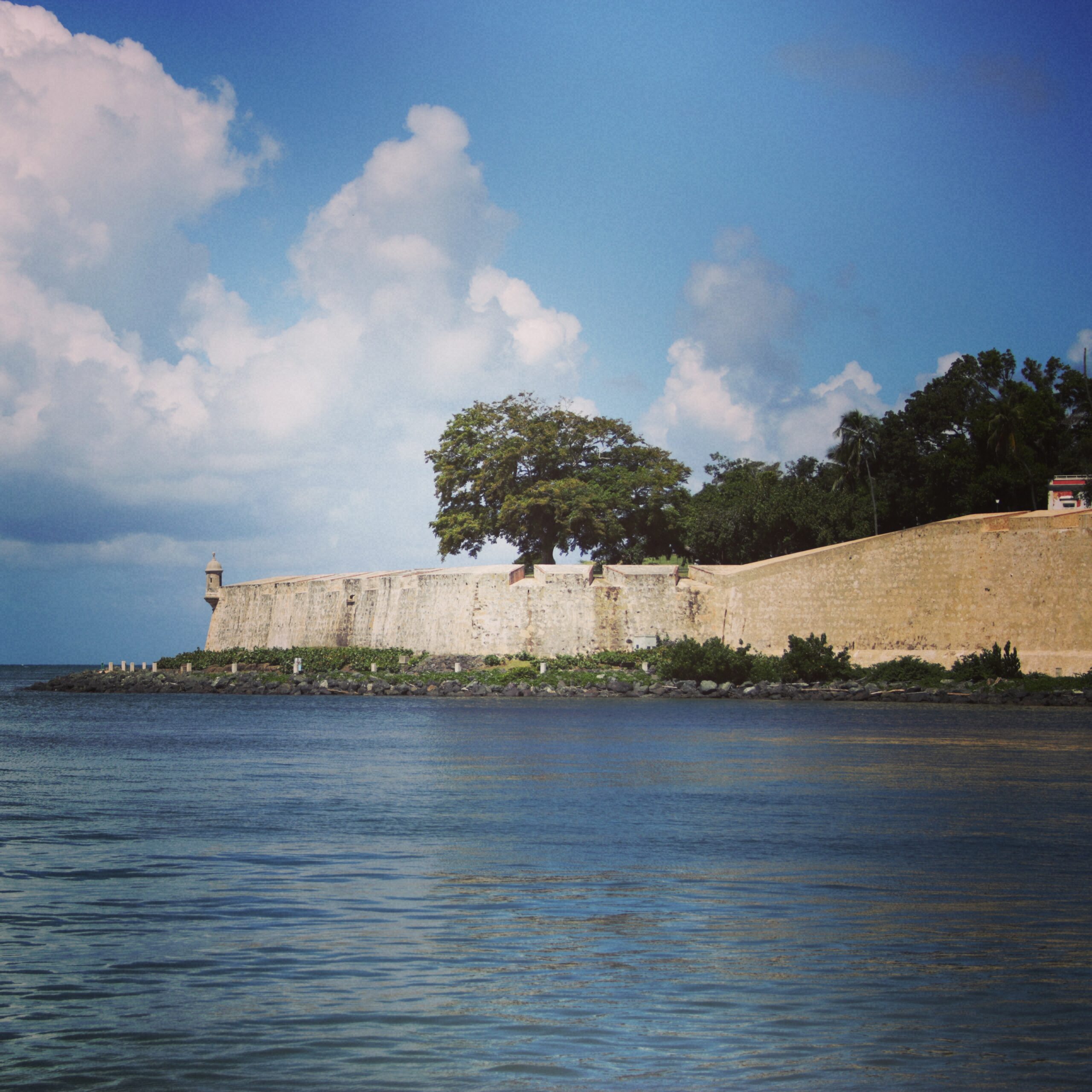
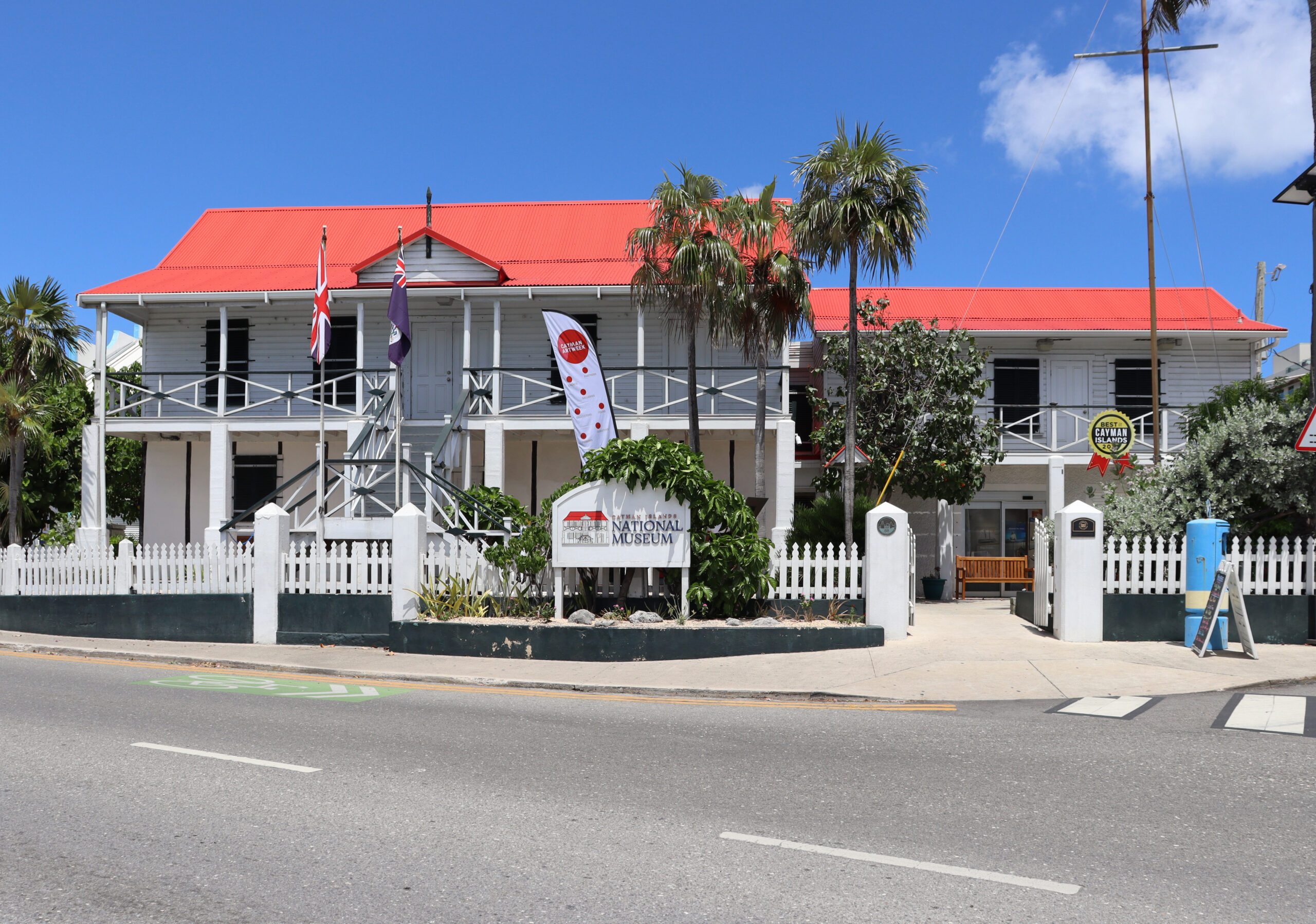
| Admission-charging visits | San Juan forts; Magens Bay | Cayman Islands National Museum; Chankanaab |
| Other port day | Philipsburg waterfront browsing | Falmouth port-area browsing |
| Meal allowance | $40 per port day for two | $40 per port day for two |
| Optional-spending allowance | $40 across the itinerary | $40 across the itinerary |
These are budgeting models, not advertised cruises. No particular ship, departure date, port order or availability is implied. Substitute the stops and arrival times from your actual sailing.
Hold cruise fares and onboard spending outside this calculation initially. Then add any difference in fares, taxes, gratuities, flights or hotels when comparing the complete vacation.
Also match the experience honestly: two inexpensive admissions do not equal two guided adventure excursions. The worksheets show how to compare a modest mix of independent sightseeing, beach time and browsing.
2. Separate admission prices from the cost of reaching them
Record each expense under one of four headings:
Port-day total = return transport + admission + food and drinks + optional spending
The following published prices anchor the examples:
| Visit | Published adult admission | Two-adult admission |
|---|---|---|
| San Juan National Historic Site | US$10 | US$20 |
| Magens Bay, nonresidents | US$7 | US$14 |
| Cayman Islands National Museum, visitors | US$15 | US$30 |
| Chankanaab | MX$589 | MX$1,178 before conversion |
The National Park Service says its San Juan ticket covers both fortifications for 24 hours; do not buy one ticket for each fort. The site is cashless. Magens Bay and the Cayman museum publish separate resident and visitor prices, so use the category applicable to you. (nps.gov)
Transport needs its own checks. Cozumel Parks publishes reference taxi prices to Chankanaab of US$15 from Puerta Maya or International Pier for one to four people, versus US$17 from Punta Langosta. It explicitly says the fare depends on departure point and passenger count. Confirm the return fare rather than treating an outward reference price as a round-trip quote. (cozumelparks.com)
For Philipsburg, the Sint Maarten hospitality association’s visitor website lists US$10 from the cruise port for one or two people. The worksheet doubles this to $20 for an assumed same-price return journey; reconfirm both directions locally. (visitstmaarten.com)
3. Eastern Caribbean worksheet: forts, a beach and Philipsburg
For this model, choose a San Juan fort visit, Magens Bay in St. Thomas and an admission-free browsing day in Philipsburg.
Every amount below covers both adults. “Allowance” means a chosen budget amount, not a verified supplier price.
| Port and plan | Return transport | Admission | Food allowance | Optional allowance | Day total |
|---|---|---|---|---|---|
| San Juan: forts and independent sightseeing | $0, walking assumption | $20, published | $40 | $0 | $60 |
| St. Thomas: Magens Bay | $60, allowance | $14, published | $40 | $20 | $134 |
| Philipsburg: waterfront browsing | $20, calculated from published outward rate | $0, no paid attraction selected | $40 | $20 | $80 |
| Total | $80 | $34 | $120 | $40 | $274 |
Admission inputs come from the National Park Service and Magens Bay Authority; the Philipsburg transport input comes from the destination visitor website. (nps.gov)
San Juan check: The $0 transport assumption applies only if your assigned berth, walking ability and available time make the route practical. Discover Puerto Rico distinguishes Old San Juan piers from the Pan-American Port across the bay. Confirm the actual pier before using a walking-only budget. (discoverpuertorico.com)
St. Thomas check: The $60 taxi allowance is deliberately not presented as a tariff. Replace it with a quote for your dock and party. The beach concessionaire explains that safari taxi fares are per person, rather than per vehicle, and advises agreeing the fare before departure. (magensbay.com)
The $20 optional allowance is also not a promise that it covers two chairs or equipment. If those items matter, obtain their actual prices and replace the allowance.

4. Western Caribbean worksheet: Chankanaab, a museum and Falmouth
This model uses Chankanaab in Cozumel, the national museum in George Town and a limited Falmouth port-area browsing day—not a guided Jamaican excursion.
| Port and plan | Return transport | Admission | Food allowance | Optional allowance | Day total |
|---|---|---|---|---|---|
| Cozumel: Chankanaab from Puerta Maya or International Pier | $30, calculated reference | $63.31, converted published charge | $40 | $20 | $153.31 |
| George Town: Cayman Islands National Museum | $0, walking assumption | $30, published | $40 | $0 | $70 |
| Falmouth: port-area browsing | $0, no vehicle trip selected | $0, no paid attraction selected | $40 | $20 | $60 |
| Total | $30 | $93.31 | $120 | $40 | $283.31 |
The Chankanaab transport figure assumes the same $15 reference price in each direction. Museum admission uses the published visitor rate, not the resident rate. (cozumelparks.com)
Worked currency conversion: The Bangko Sentral ng Pilipinas bulletin dated November 9, 2026 gives US$0.053743 per Mexican peso, based on November 6 closing prices. Therefore:
MX$589 × 2 adults × US$0.053743 = US$63.31, rounded.
This is a dated reference conversion, not a November 29 live rate or a guaranteed card settlement rate. (bsp.gov.ph)
Chankanaab’s published admission excludes guided water activities, gear rental and other separately charged services. Its standard opening pattern is Monday–Saturday, with Sunday openings requiring a specific announcement. Check your call date before paying. (cozumelparks.com)
For George Town, the museum lists its location on the historic waterfront. The $0 transport line assumes you can reach it from your landing point on foot; replace that assumption if necessary. Its published opening schedule covers Monday–Saturday. (museum.ky)
Falmouth is intentionally a low-activity day here. Jamaica’s tourism board describes heritage sightseeing and trolley tours, but those experiences are not included in this worksheet. Choosing one requires a separate quote. (visitjamaica.com)

5. Read the difference—and test what could reverse it
The Western worksheet is $9.31 higher for two adults, or about $4.66 per person, after rounding.
That result does not establish that Eastern Caribbean cruising is cheaper. It shows that these particular admission choices cost more in the Western model, while its assumed transport costs are lower.
Test the result before making a booking decision:
- Increase the Eastern taxi allowance by $20: its total becomes $294, reversing the ranking.
- Add a hypothetical $100-per-person excursion: the relevant itinerary increases by $200 unless that excursion replaces costs already counted.
- Remove one $40 shore-meal allowance: reduce that itinerary by $40, but only if you genuinely plan not to buy that meal ashore.
- Change the berth or passenger count: recalculate transport rather than dividing an old quote differently.
These are sensitivity calculations, not market prices.
The useful question is: Which itinerary lets us do our preferred activities within our budget? A low-cost browsing day is not a saving if you will actually book an excursion once onboard.
6. Handle currencies, inclusions and missing prices consistently
Keep two columns in your own spreadsheet: original quoted currency and USD planning equivalent.
For the peso-priced admission above, retain MX$1,178 as well as $63.31. That makes it possible to update the exchange rate without researching the ticket again.
Likewise, do not treat a Cayman Islands dollar amount as a US dollar amount. CIMA publishes a retail conversion rate for its own transactions, but that is not a promise about a restaurant’s conversion or your card issuer’s charges. The museum avoids that ambiguity by explicitly publishing its visitor admission in US dollars. (cima.ky)
For every quote, ask:
- Is the transport price per person or per vehicle?
- Does it include the return journey?
- Are admission, equipment and meals included?
- Are taxes, service charges or booking fees additional?
- What currency will actually be charged?
- What happens if the ship misses the port?
Keep unknown costs marked “quote needed”, not zero. The meal and optional-spending figures here are adjustable allowances—not researched restaurant prices or comprehensive rental budgets.
7. Make the final comparison before paying
Use this practical sequence:
- Copy the actual itinerary: include arrival, departure and all-aboard times.
- Select your activities: identify must-do visits before allocating money to optional stops.
- Confirm the starting point: the pier, landing point or meeting location can change transport needs.
- Replace allowances with quotes: prioritize the largest uncertain items.
- Check operating days and payment methods: a published admission price is useless if the venue is closed.
- Check cancellation conditions: record refund deadlines and missed-port provisions for each independent booking.
- Add a separate contingency reserve: do not spend it in advance on optional activities.
Allow a return-to-ship margin rather than planning around the shortest possible transfer. At Magens Bay, the concessionaire specifically warns that taxis can thin out later in the afternoon and that the return road can be slow when busy. (magensbay.com)
Finally, add each shore total to its corresponding complete-trip budget. Choose based on the experiences and booking conditions you value—not a regional label or a difference smaller than your unresolved transport costs.
Read next: Cruise-Only vs Fly-Cruise vs Bundled Fare: Compare the Real Cost